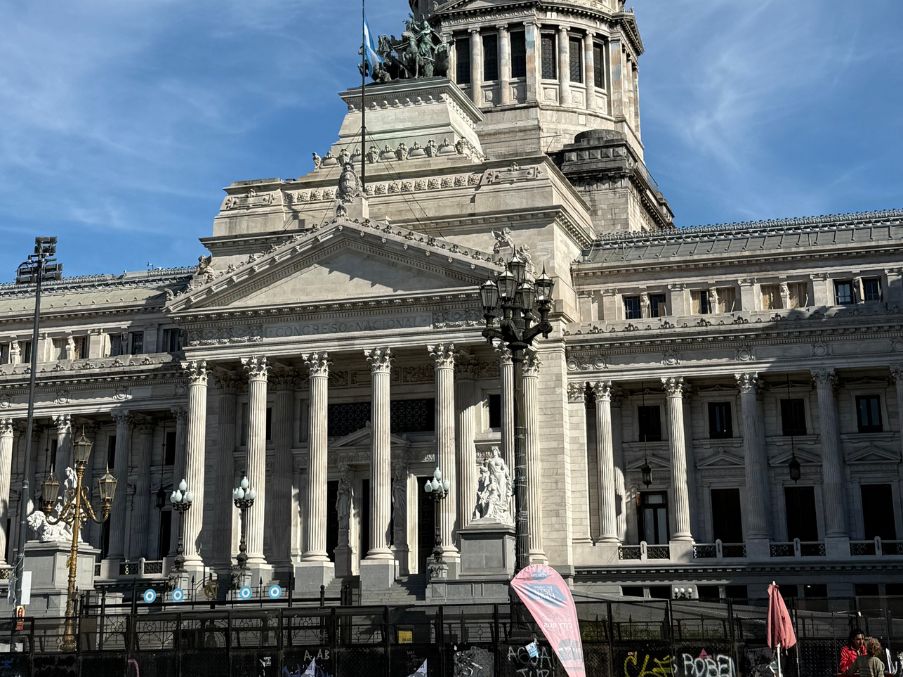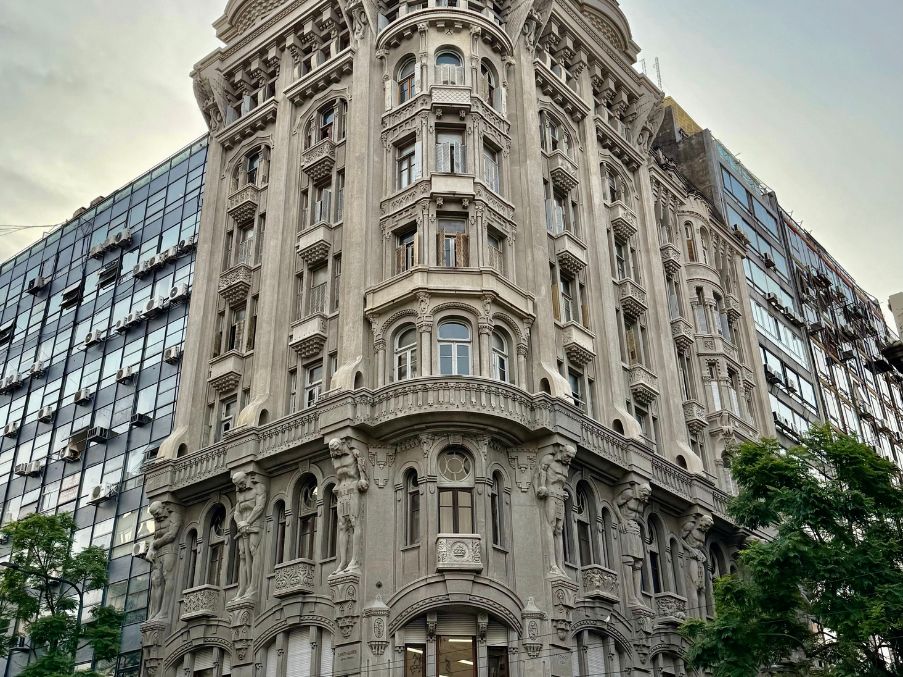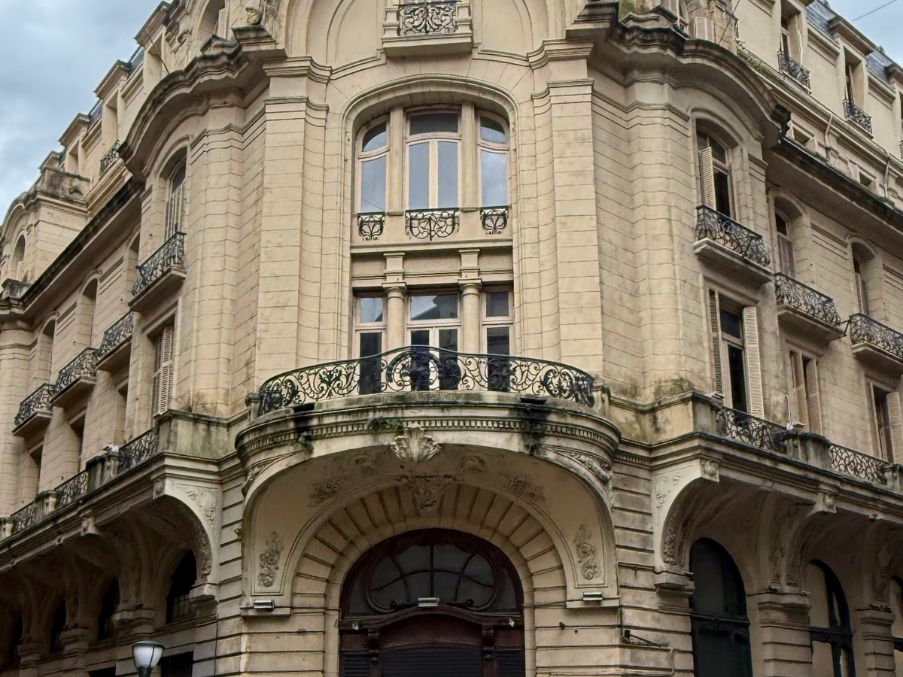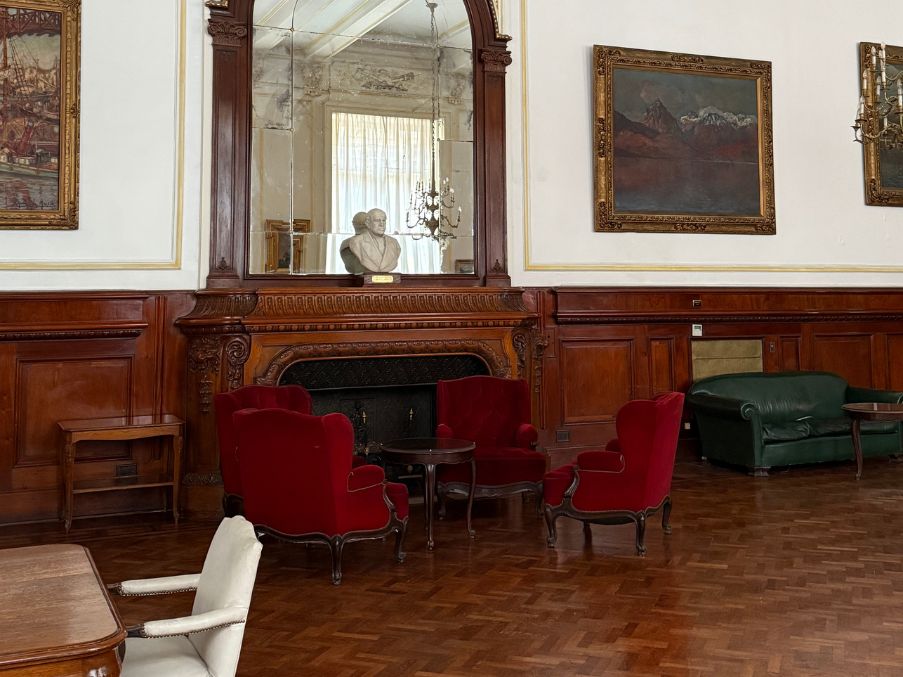
Beaux-Arts architecture in Buenos Aires blends Parisian grandeur with Argentine soul. Classical symmetry, monumental scale, and ornate details meet local light, climate, and craftsmanship—creating an urban landscape that is both elegant and vibrant.
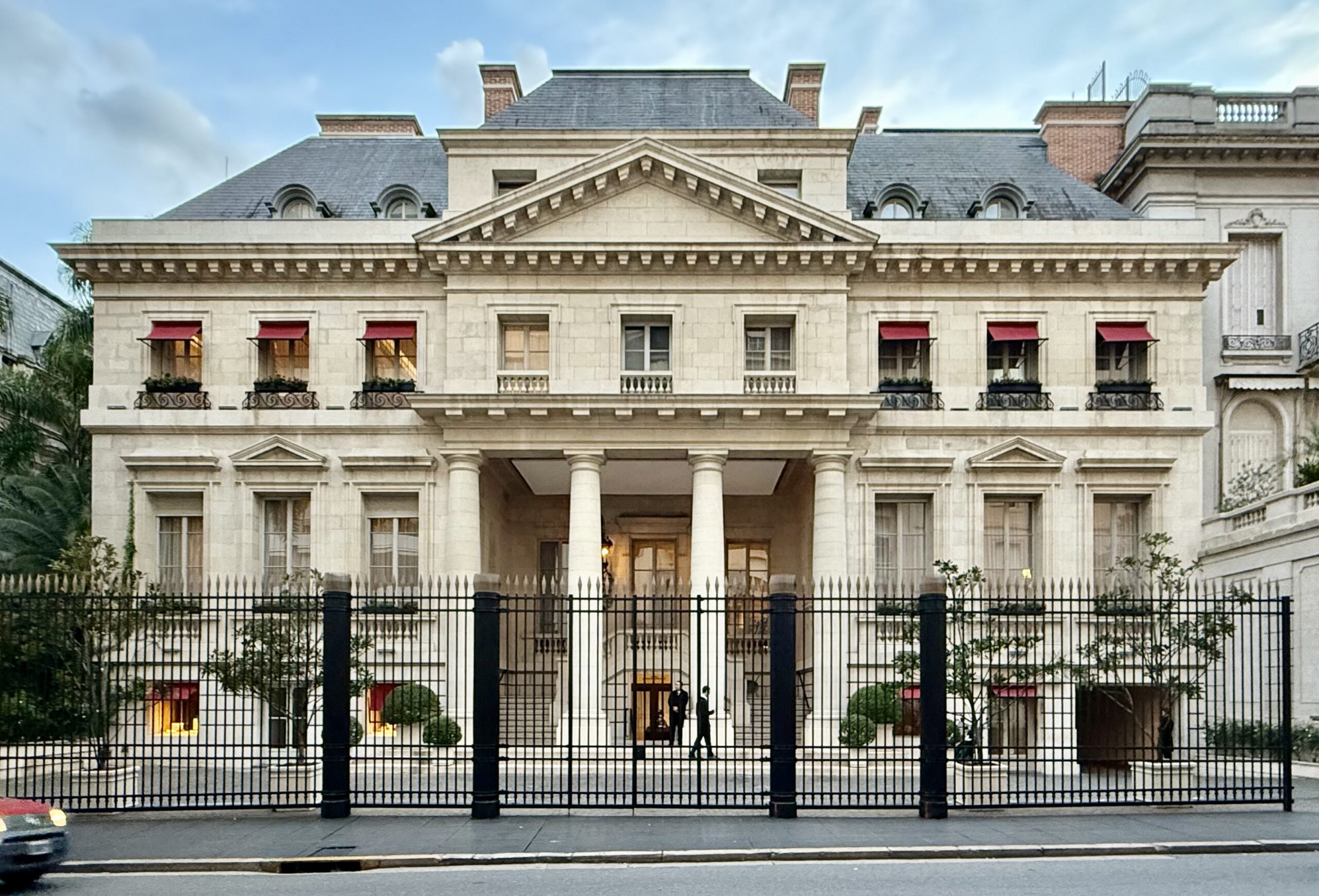
Buenos Aires dreamed of Paris, but built something uniquely its own. Along sunlit boulevards, Beaux-Arts façades rise in stone and symmetry—grand, yet touched by the rhythm of the South. Here, French classicism becomes transformation: a blend of elegance, memory, and Argentine soul.
At the turn of the 20th century, Buenos Aires experienced a period of remarkable transformation. Flush with the wealth of agricultural exports and eager to assert its place among the great world capitals, the city looked to Paris for inspiration. The result was a wave of Beaux-Arts architecture that reshaped the urban landscape with a distinctly European grandeur—yet one subtly transformed by local culture, climate, and identity.
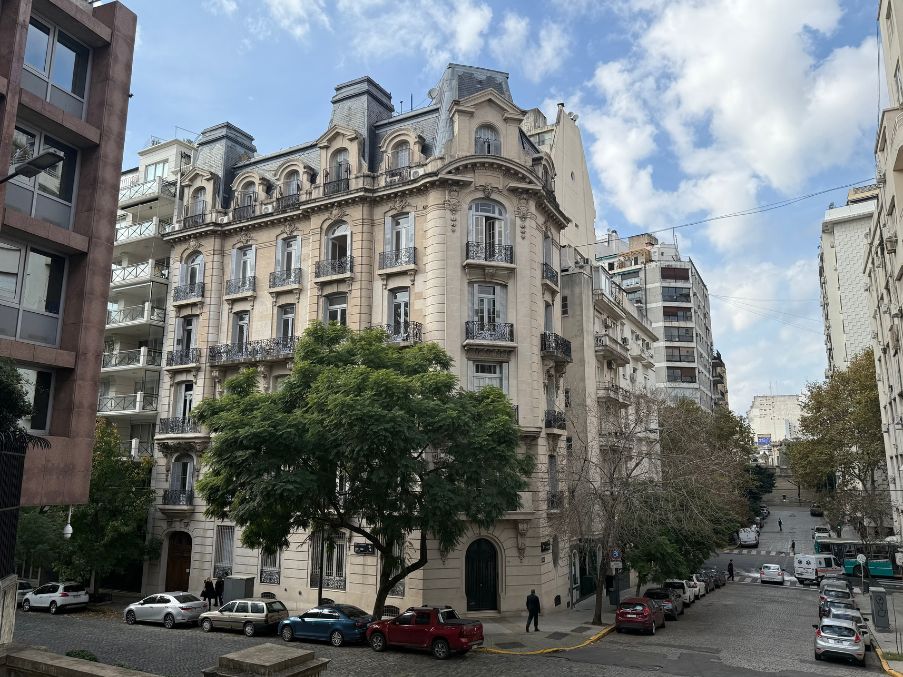
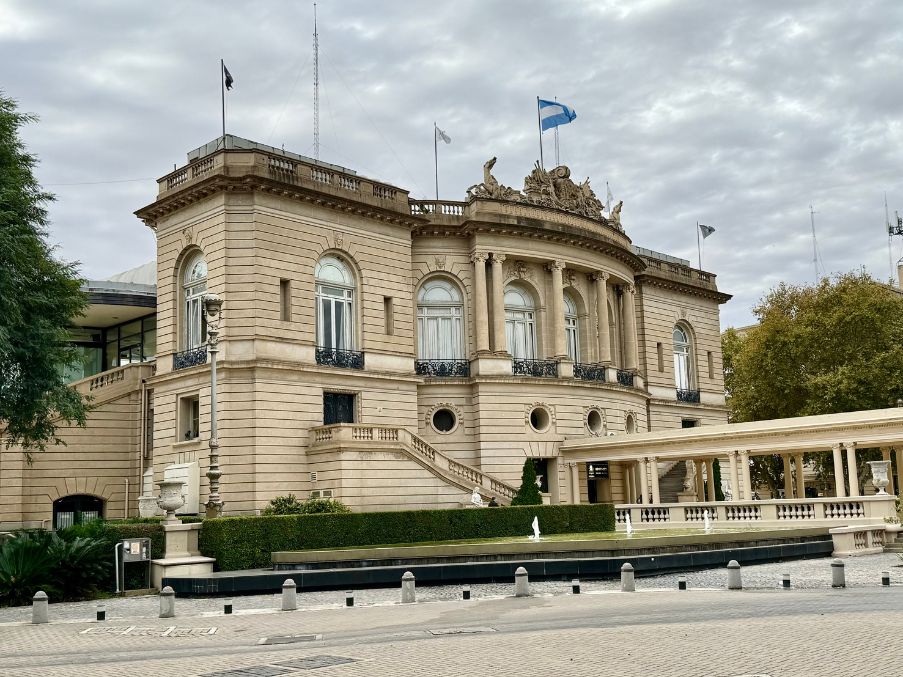
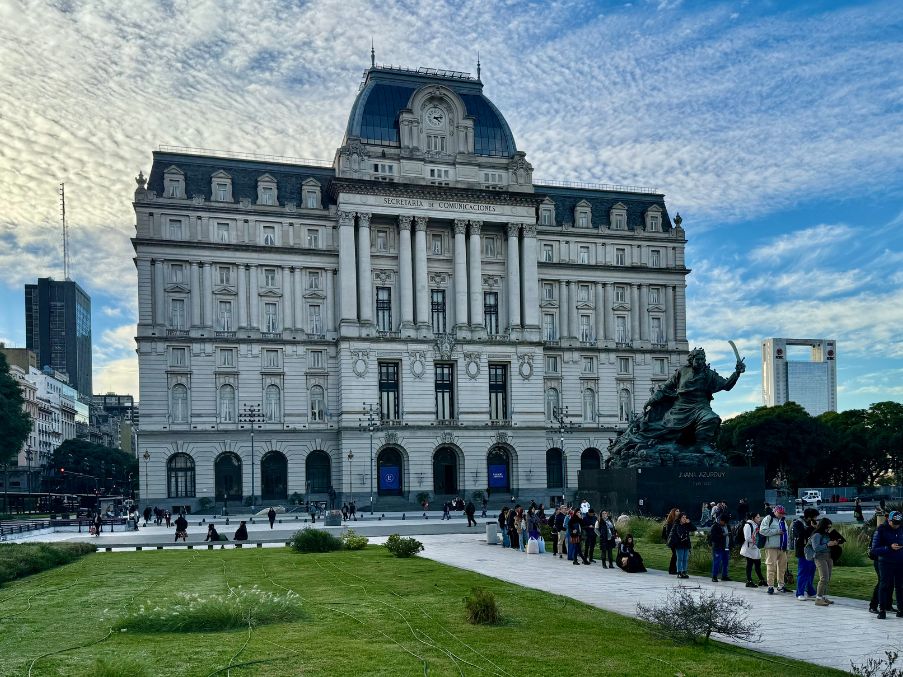
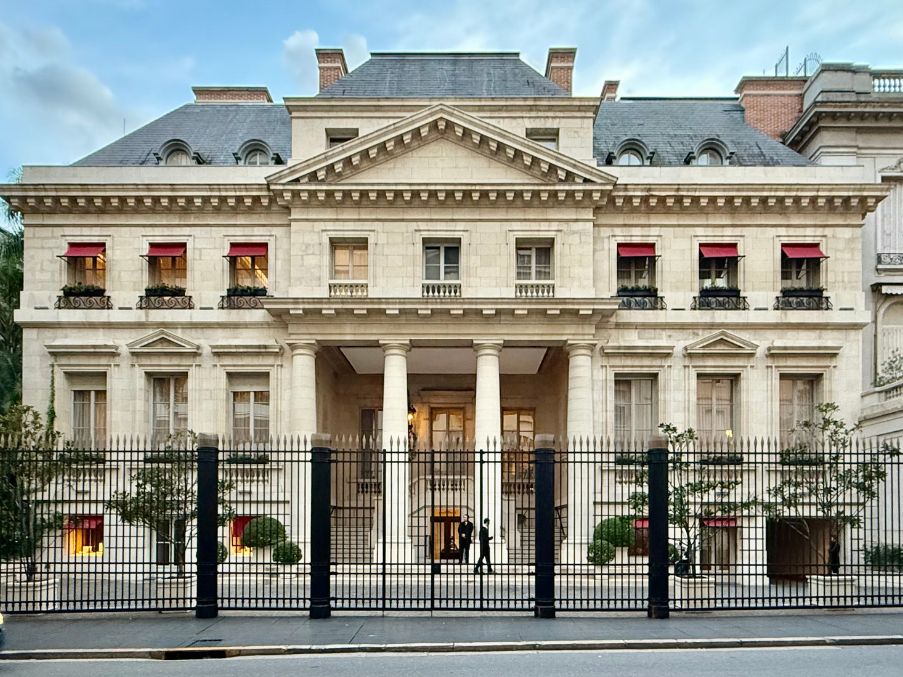
Rooted in the academic tradition of the École des Beaux-Arts, this style emphasized symmetry, monumental scale, classical orders, and ornamental richness. In Buenos Aires, these principles were embraced with fervor, but also reinterpreted with freedom. While the Parisian model served as the ideal, what emerged was a uniquely Argentine version of Beaux-Arts, elegant but more expressive, rigorous yet open to eclectic influences.
Unlike the misty, grey light of Paris, the intense sun of the Río de la Plata demanded architectural adaptation. Buildings in Buenos Aires often featured larger windows, higher ceilings, and more generous use of interior courtyards to accommodate light and airflow. Local materials—limestone, granite, and stucco—were substituted for French stone, and craftsmanship reflected the skills of immigrant artisans from Italy, France, and Spain.
The urban scale, too, diverged from the strict Haussmannian logic of Paris. While Paris offered uniformity and cohesion, Buenos Aires presented a more heterogeneous rhythm, where Beaux-Arts palaces stood alongside Italianate mansions, Belle Époque cafés, and Art Nouveau facades. The result is a cityscape both grand and spontaneous, structured yet infused with Latin vitality.
Stylistically, Buenos Aires permitted a greater degree of fusion. Academic proportions and classical ornamentation often coexist with flourishes of Art Nouveau, hints of Neo-Baroque, or subtle references to local traditions. This eclecticism reveals not a lack of discipline, but rather a desire to forge an architecture that was at once international and unmistakably Argentine.