Villa Karma by Adolf Loos is a modernist masterpiece where classicism meets minimalism. Its pure geometry, restrained detailing, and luxurious materials create a timeless expression of form and space.
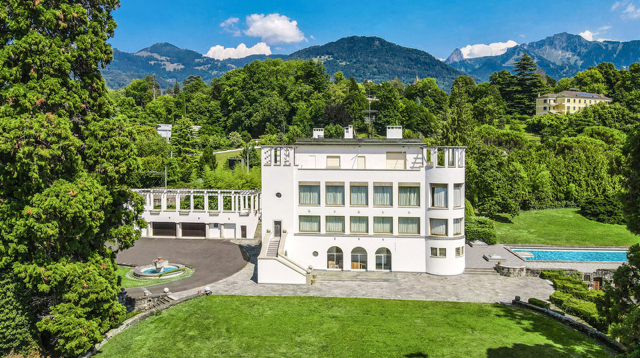
Villa Karma by Adolf Loos: Where Classicism Meets Modern Minimalism
A modern and timeless masterpiece, designed by Adolf Loos between 1903 and 1906, stands on the shores of Lake Geneva as an early and radical example of classical minimalism. With its austere exterior and richly layered interiors, it marks a turning point in the history of architecture—where tradition is distilled, not discarded.
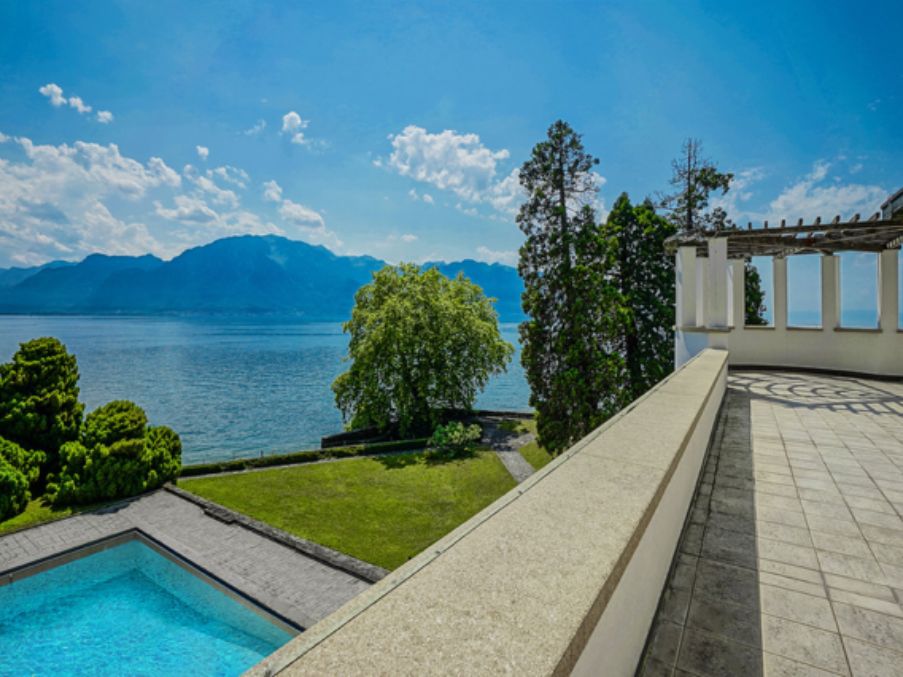
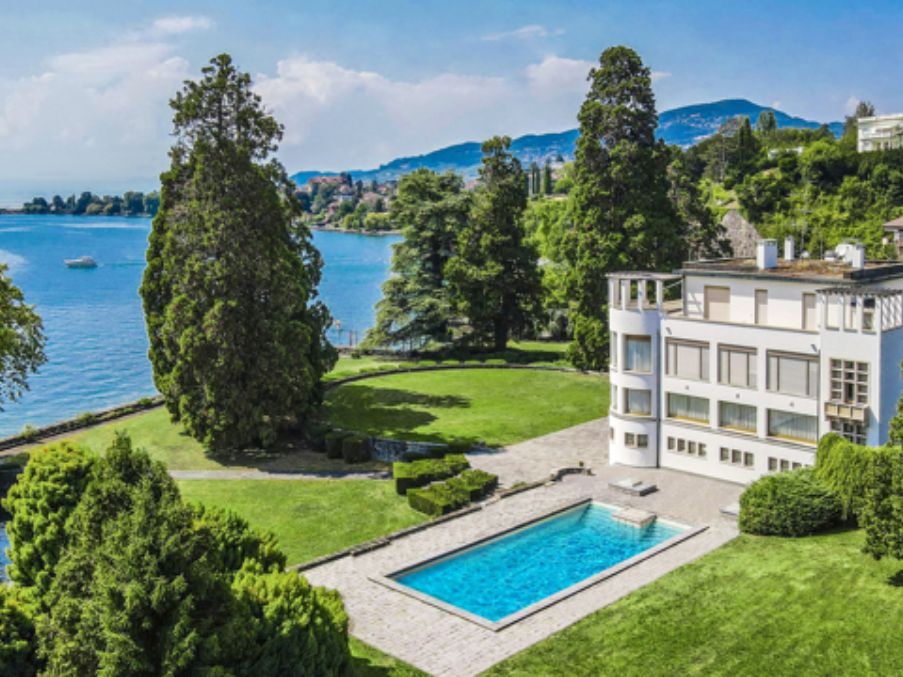
Villa Karma: A Modern Monument to Silent Elegance
Villa Karma, overlooking Lake Geneva in Montreux, is one of Adolf Loos’ earliest and most visionary works. Commissioned by Dr. Theodor Beer, the villa was conceived as a radical break from the ornamental style of the Belle Époque. Completed with the contribution of Hugo Ehrlich in 1912, the house fuses classical order with pure modern clarity.
The exterior is pure geometry: flat roof, white stucco walls, minimal decoration. Loos frames classical elements—such as Doric columns and pergolas—with restraint, creating a formal composition reminiscent of a temple, stripped of all excess.
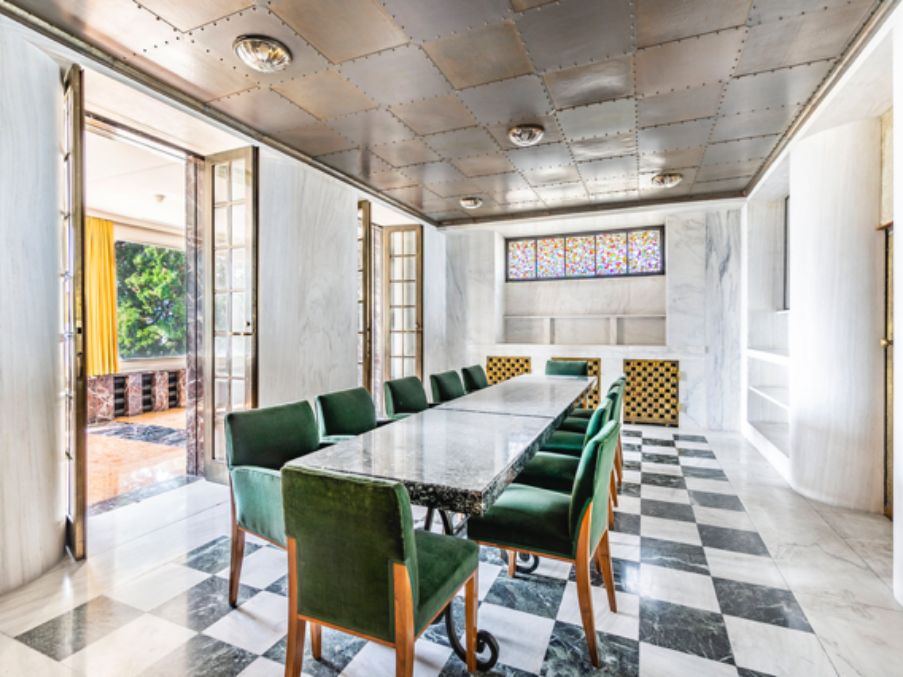
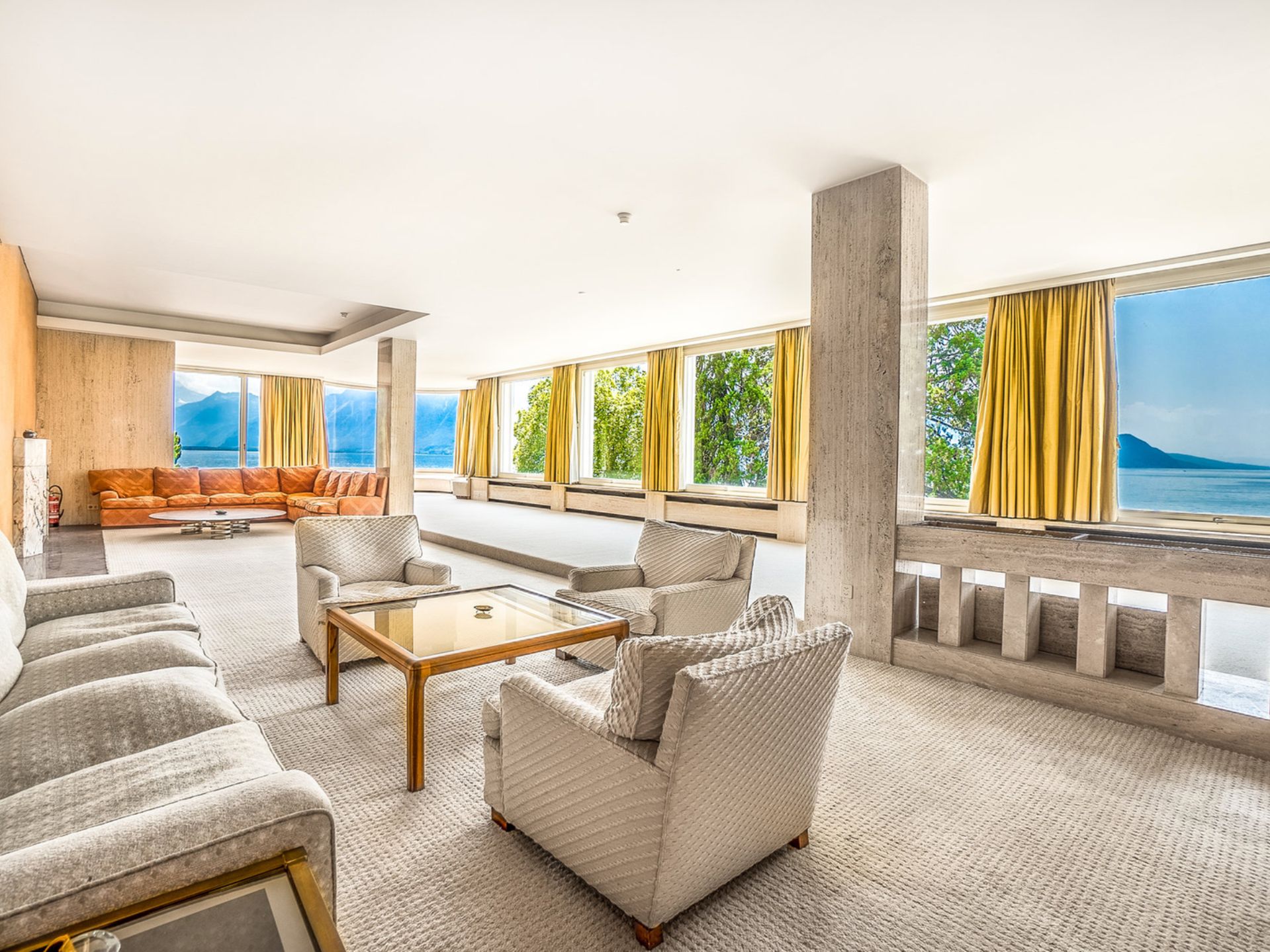
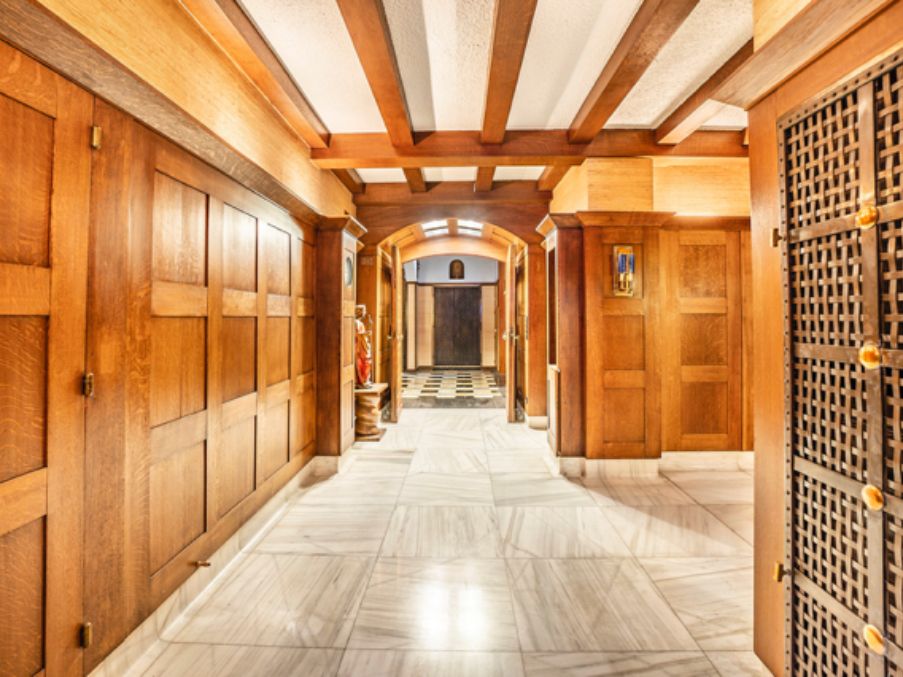
Inside, the house tells a richer story. Loos’ early experiments with the Raumplan—his theory of spatial hierarchy—are evident in the varied ceiling heights, volumetric transitions, and intentional circulation. Luxurious materials like black marble, polished wood, and gilded tiles create a contrast with the minimalist façade, offering sensuality without ornament.
Villa Karma is not just a residence: it is a manifesto. It anticipates modernism without ever abandoning history. It is timeless not because it resists change, but because it grasps the essence of form, space, and material. A century later, its quiet power remains intact.